

Dry Utilities:
Gas, Telecom, Fiber & Electric
We offer cost effective solutions for civil construction in Central Texas.
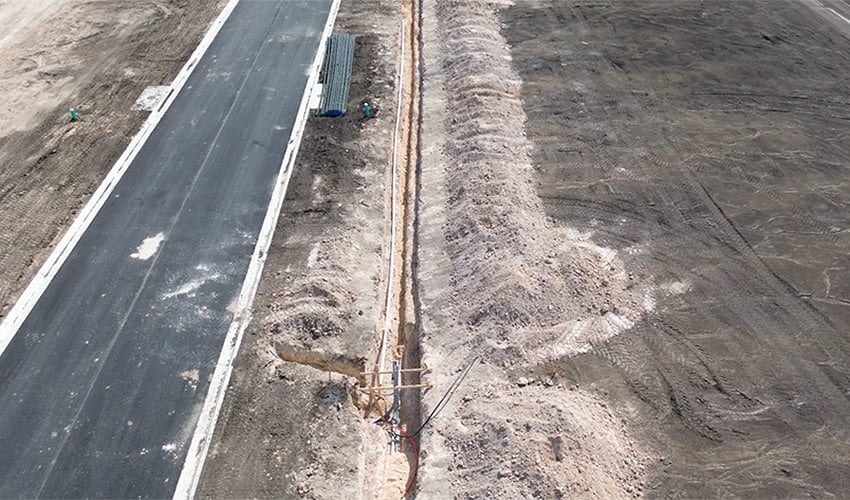
Dry Utility Contractor in Texas — Electrical Conduit, Gas, Telecom & Fiber
DNT Construction self-performs underground dry utility installation across Texas — electrical conduit, natural gas, telecommunications conduit, and fiber optic infrastructure — for commercial, industrial, data center, and master-planned community projects. Work is performed by DNT's own crews and coordinated directly with serving utilities including CPS Energy, Austin Energy, Oncor, and CenterPoint.
Engaging a single contractor for both dry utilities and the broader civil scope eliminates the coordination gap that typically slows projects when a grading contractor and a utility sub share the same trench corridor.
Dry Utility Scope We Self-Perform
- Underground electrical conduit — primary and secondary distribution
- Natural gas service and distribution piping
- Telecommunications conduit and innerduct
- Fiber optic conduit and pull boxes
- Medium-voltage conduit for data center campus loops
- Generator fuel system conduit
- Junction structures, manholes, and handhole networks
- Utility conflict resolution and potholing
Why Developers and GCs Choose DNT for Dry Utilities
Direct Utility Coordination — CPS, Oncor, Austin Energy, CenterPoint
DNT coordinates directly with the responsible utility for every project geography. No broker, no middleman. This direct relationship compresses scheduling lead times and reduces the miscommunication that delays energization and final tie-in.
Concurrent Wet and Dry Utility Installation
Because DNT self-performs both wet and dry utilities, trench alignments are coordinated in preconstruction to allow parallel operations. On a 100-acre site, this concurrent approach can reduce the underground utility phase by 2 to 4 weeks compared to sequencing separate subs.
Pre-Construction Conflict Resolution
DNT starts every project with a utility conflict review — Texas 811 records, SUE data, and potholing where needed. Conflicts are resolved before trenching begins, not discovered after a crew hits something unexpected at 6 feet.
Data Center Campus Experience
DNT has extensive experience with medium-voltage conduit loops, redundant fiber pathways, and handhole networks for hyperscale and colocation data center campuses. CPS Energy, Oncor, and Austin Energy each have specific scheduling requirements for medium-voltage work — DNT knows those requirements and builds them into the schedule before mobilization.
Frequently Asked Questions
What dry utility trades does DNT self-perform?
DNT Construction self-performs installation of underground electrical conduit (primary and secondary), natural gas service and distribution piping, telecommunications conduit and innerduct, fiber optic conduit, and associated pull boxes, junction structures, and manholes. On data center sites, DNT also installs conduit for generator fuel systems, on-site medium-voltage distribution, and redundant telecom pathways.
Which Texas utilities does DNT coordinate with?
CPS Energy in San Antonio, Austin Energy in Austin, Oncor in Dallas-Fort Worth, CenterPoint Energy in Houston, and the applicable electric cooperative or municipal utility for rural and outlying sites. Gas coordination is handled with Atmos Energy, CenterPoint, and local gas districts. Coordination begins in pre-construction with utility conflict mapping and closes at final tie-in and meter set.
How does DNT handle conflicts between existing underground utilities and new construction?
DNT starts every project with a utility conflict review against existing infrastructure — reviewing as-built records from Texas 811, SUE data when available, and on-site potholing to verify depths and alignments where conflicts are suspected. Conflicts are documented and routed to the engineer of record and utility owner for resolution before trenching begins.
Can DNT install conduit for data center campus loops?
Yes. DNT has extensive experience installing underground electrical conduit and telecommunications conduit for data center campus distribution systems, including medium-voltage primary conduit loops, redundant fiber pathways, and telecom handhole networks for hyperscale and colocation sites. DNT's experience with the scheduling requirements of CPS Energy, Oncor, and Austin Energy for medium-voltage work reduces the schedule risk that typically accompanies utility-adjacent conduit installation on large campuses.
What is the typical timeline for dry utility installation on a 100-acre site?
Underground dry utility installation on a 100-acre commercial or data center site typically runs 30 to 60 days, depending on conduit routing complexity, the number of served buildings, and utility company scheduling for terminations and energization. Dry utility work generally follows mass grading and runs concurrently with wet utility installation where trench alignments allow parallel operations.
Related DNT Construction Services
- Wet Utility Installation — Sanitary sewer, water mains, and storm drainage — self-performed alongside dry utility installation.
- Mass Grading and Earthwork — Site excavation, cut-and-fill grading, and finished paving — the civil scope that precedes underground utility work.
- Data Center Civil Sitework — Medium-voltage conduit loops, redundant fiber pathways, and full civil scope for Texas data center campuses.
AUSTIN
2300 Picadilly Drive
Round Rock, TX 78664
Phone: 512-837-6700
Fax: 512-837-6701
Email: inquiries@dntconstruction.com
Bids: bidsaus@dntconstruction.com
SAN ANTONIO
18954 Redland Road
San Antonio, TX 78259
Phone: 210-490-6700
Fax: 210-490-6701
Email: inquiries@dntconstruction.com
Bids: bidsa@dntconstruction.com
HOUSTON
25145 Star Lane suite 105
Katy, TX 77494
Phone: 346-615-0880
Fax: 346-615-0881
Email: inquiries@dntconstruction.com
Bids: bidshou@dntconstruction.com